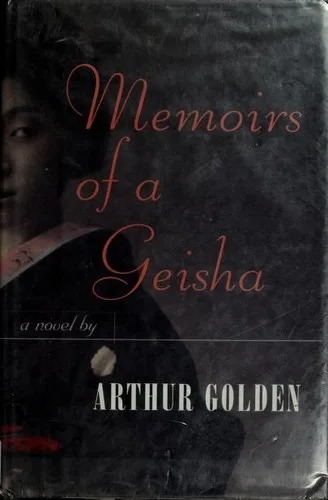
Sold by her father in the 1930s, nine-year-old Chiyo enters an okiya in Kyoto’s Gion district to work as a servant. After a series of failures and a bitter rivalry with the established geisha Hatsumomo, Chiyo eventually trains under Mameha, a renowned mentor. She adopts the name Sayuri and masters traditional dance, music, and the art of conversation to secure a wealthy patron. The narrative follows her social ascent against the backdrop of Japanese militarism, the deprivations of World War II, and the subsequent American occupation.
Readers interested in the history of pre-war Japan choose this book to learn about the strict hierarchies and social customs governing the karyukai, or flower and willow world. It serves those curious about the physical and technical demands of the profession, from kimono styling to shamisen performance. People finish the text with a detailed understanding of how a woman in this restricted society managed her finances and social standing to influence powerful political and business leaders.
Balanced in tone; a moderate read.
Best for readers like The Story Seeker. Which reader are you?
Insights from Memoirs of a Geisha
“We paint our faces to hide our hearts.”
Sayuri survived by noticing small things. She could read a person just by how they held a fan or poured tea.
Hatsumomo was cruel because the system gave her no other choice. She knew her beauty was a timer counting down to nothing.
The Chairman gave her a single piece of shaved ice. That one tiny kindness fueled her for an entire decade.
“I don't think any of us can speak of our own lives without mentioning the people who've helped us.”
Pumpkin broke my heart at the end. She chose revenge over friendship because she was tired of being second best.
- Published
- 1997
- Publisher
- Random House Large Print
- ISBN
- 9780739326220
- Language
- EN