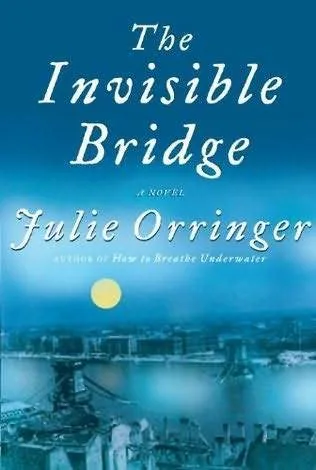
Set in 1937, the story follows Andras Lévi, a Jewish Hungarian architecture student who travels from Budapest to Paris on a scholarship. He falls into a complicated romance with Klara, a ballet teacher carrying a concealed past, while the political climate in Europe collapses. When World War II begins, Andras is forced back to Hungary and conscripted into a labor battalion. The narrative tracks his physical endurance and the survival of his extended family as they face systemic deportation and the Siege of Budapest.
Readers of expansive historical fiction choose this book for its factual detail regarding the Hungarian experience during the Holocaust. It appeals to those interested in the technical aspects of architecture and the specific logistics of wartime forced labor. A reader finishes the book with a clear understanding of the legal restrictions placed on Jewish citizens in pre-war Europe and the persistence of familial bonds under extreme political pressure. It offers a documented perspective on how private ambitions collide with state-sponsored violence.
Balanced in tone; a moderate read.
Best for readers like The Story Seeker. Which reader are you?
Insights from The Invisible Bridge
“He had the feeling that his life was about to begin.”
Andras leaving Budapest for Paris felt like a total rebirth. I kept thinking about how a single scholarship can change a life forever.
The way Klara hid her past made me wonder how much we ever truly know about the people we love. Even her name was a kind of mask.
“A man's life was worth no more than a shovel of dirt.”
The scenes in the Hungarian labor service were so quiet and brutal. It was the slow stripping away of dignity that hurt the most.
Seeing the brothers try to protect each other through the war was beautiful. Family became the only thing that felt real when the world fell apart.
- Published
- 2010
- Publisher
- Vintage/Penguin Random House
- ISBN
- 9780307593719
- Language
- EN