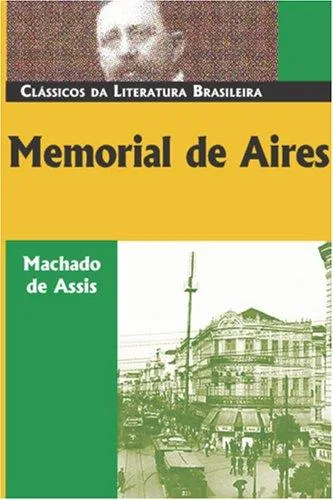
Written as a series of diary entries spanning 1888 and 1889, the narrative follows Counselor Aires, a retired diplomat living in Rio de Janeiro. He observes the intimate lives of the elderly couple Aguiar and Dona Carmo, who, being childless, channel their parental affections toward a young widow named Fidélia and a young man named Tristão. The plot tracks the blossoming romance between these two protégés and their eventual departure for Europe, leaving the aging couple in a state of quiet isolation. Throughout the text, Aires records the abolition of slavery in Brazil and the transition from Empire to Republic, juxtaposing national political upheaval with private domestic loss.
Readers of historical fiction and psychological realism turn to this work to observe the intersection of personal memory and national history. It appeals to those interested in the social structures of nineteenth-century Brazil and the nuances of diplomatic observation. The reader gains a specific understanding of how aging affects one's perspective on the ambitions of the youth. By the end, the audience grasps the contrast between the fleeting nature of romantic fulfillment and the permanence of loneliness for those left behind in a changing society.
Thought-provoking; a moderate read.
Best for readers like The Wisdom Collector. Which reader are you?
- Published
- 1908
- Language
- EN