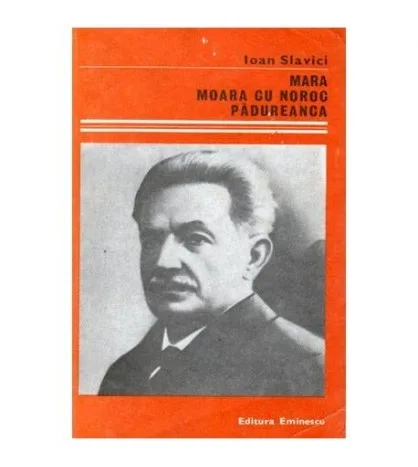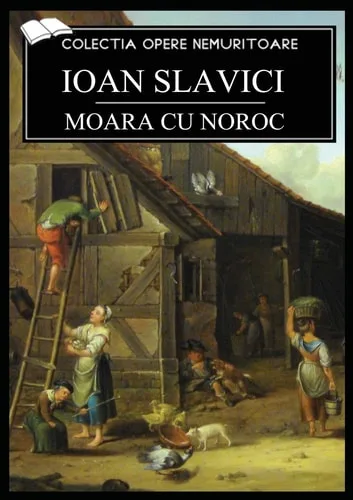
Ghiță, a humble shoemaker, moves his wife and children to a remote inn called the Mill of Good Luck to escape poverty. His pursuit of financial security is derailed when he meets Lică Sămădăul, a violent swineherd who controls the local criminal trade. Ghiță enters a partnership with Lică, choosing at first to overlook robberies and murders for a share of the profit. This decision destroys his marriage and erodes his sense of self, eventually pulling him into a cycle of perjury and complicity that leads to his family's total ruin and physical destruction.
Readers of classic European realism and dark psychological fiction will find value in this study of human fallibility. The narrative targets those interested in the mechanics of moral compromise and how the desire for social mobility can dismantle a person’s ethics. One walks away with a clear understanding of the tension between individual ambition and communal laws. It provides a sobering look at how proximity to power and illicit wealth can rot a stable household from within.
Insights from Moara cu Noroc
“Omul să fie mulțumit cu sărăcia sa, căci, dacă e vorba, nu bogăția, ci liniștea colibei tale te face fericit.”
Ghiță a crezut că poate controla răul. S-a înșelat amarnic. Banii l-au transformat într-un monstru care și-a vândut familia.
“Eu sunt Lica Sămădăul... multe s-au petrecut prin locurile acestea de când sunt eu pe aici.”
Lica Sămădăul este pur și simplu un psihopat. Nu are nicio remușcare. El e cel care trage toate sforile în timp ce ceilalți se distrug.
“Tu ești muiere, Ana, tu nu știi ce e frica de oameni.”
Ana merita mult mai mult. A fost prinsă între un soț slab și un criminal periculos. Finalul ei este cea mai mare nedreptate din poveste.
Hanul ăla e blestemat de la prima pagină. Locul ăla suge viața din oricine îi trece pragul. Niciun profit nu merită un asemenea risc.
- Published
- 1881
- Publisher
- Bestseller Publishing
- ISBN
- 9786069830802
- Language
- RO