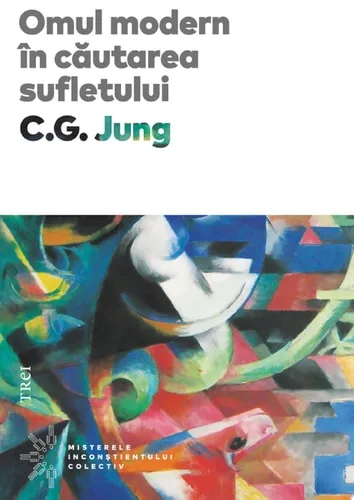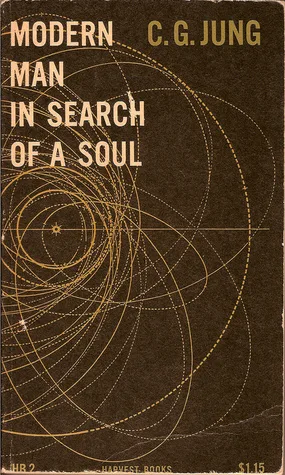
This collection of essays outlines Jung’s departure from Freudian psychoanalysis, focusing on the integration of the conscious mind with the collective unconscious. Jung presents his theory of psychological types and the significance of dream analysis as a diagnostic tool for understanding the shadow self. He argues that modern industrial society has discarded traditional religious frameworks, leaving individuals with a spiritual void. The text details the process of individuation, where a person reconciles internal opposites and archetypal symbols to achieve a sense of psychological wholeness amidst modern secularism.
Students of analytical psychology and individuals facing midlife transitions read this book to understand the mechanisms of their own inner conflicts. It serves as a guide for those seeking to move beyond clinical symptom management toward a broader understanding of personal meaning. Readers gain a framework for interpreting their dreams and identifying the archetypes influencing their behavior. The book provides a technical yet philosophical vocabulary for addressing the specific neuroses that arise when material success fails to satisfy the human need for a spiritual or psychic core.
- Published
- 1931
- Language
- EN