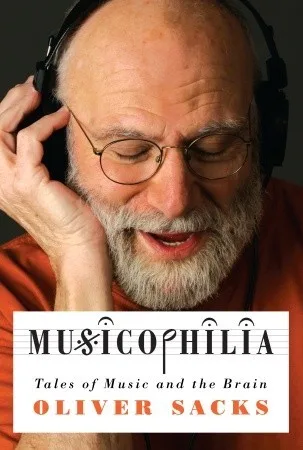
Musicophilia: Tales of Music and the Brain
Oliver Sacks investigates the neurological mechanisms that process melody, rhythm, and pitch by documenting patients with extreme musical conditions. The text details clinical histories of musical hallucinosis, where individuals hear phantom songs, and amusia, the inability to recognize musical patterns. Sacks describes the "Old-Time Orchestra" in the minds of those with temporal lobe epilepsy and examines how music bypasses damaged speech centers to help people with aphasia communicate. He also charts the emergence of sudden musical talent following neurological trauma, such as a man struck by lightning who developed an insatiable drive to play the piano.
Neurologists, musicians, and readers interested in cognitive science find here a physiological explanation for why the human brain is hardwired for sound. The book provides a technical yet accessible breakdown of how auditory stimuli influence memory and motor control. Readers gain an understanding of the relationship between cortical mapping and artistic expression, walking away with a specific vocabulary for how the mind interprets harmony and why music remains a functional tool for treating Parkinson’s disease and dementia.
- Published
- 2007
- Language
- EN