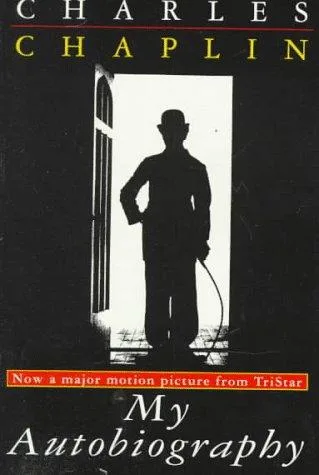
Charlie Chaplin details his transition from a poverty-stricken childhood in South London to global stardom in early Hollywood. He recounts his parents’ struggles in the British music halls, his time in workhouses, and his eventual recruitment by Fred Karno’s vaudeville troupe. The narrative follows the technical evolution of the film industry, documenting his development of the Tramp character at Keystone Studios and his subsequent founding of United Artists. Chaplin chronicles his directorial methods, his transition into talkies with films like The Great Dictator, and the political controversies that led to his exile from the United States.
This memoir serves cinema historians and fans of silent film who want to understand the mechanics of early twentieth-century celebrity and independent film production. Readers gain firsthand insight into the creative process of slapstick choreography and character construction. The text provides a record of the shifting social landscapes of the Edwardian era and the Cold War. It functions as a primary source on the intersection of global fame and political scrutiny, leaving the reader with a factual chronology of a life lived at the center of the developing motion picture industry.
- Published
- 1964
- Language
- EN