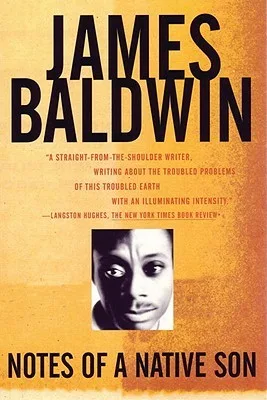
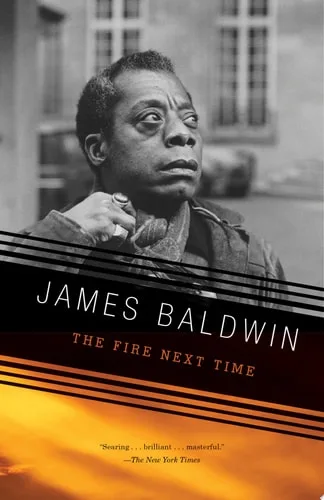
James Baldwin’s collection of ten essays analyzes the intersection of racial identity and social structures in mid-century America and Europe. The text examines the limitations of protest novels like Uncle Tom’s Cabin, arguing that they often rely on the same stereotypes they aim to dismantle. Baldwin provides a detailed account of the 1943 Harlem riot, framing the violence within the context of his father's death and the psychological weight of Jim Crow laws. He scrutinizes the experience of the Black expatriate in Paris, noting how distance from the United States clarifies the specific mechanisms of American prejudice and the history of disenfranchisement.
Readers interested in the logistics of structural racism and the psychology of marginalized identity will find a blueprint for understanding how personal history connects to national politics. The book serves those who study sociology or civil rights history by providing a first-hand look at the tension between individual humanity and systemic categorization. A reader leaves with a clearer understanding of how racial resentment forms and the ways in which cultural narratives shape a person’s sense of reality. The text offers a rigorous framework for evaluating how literature and media influence public perception of minority groups.
- Published
- 1955
- Language
- EN
More by James Baldwin
See all →


Readers also enjoyed