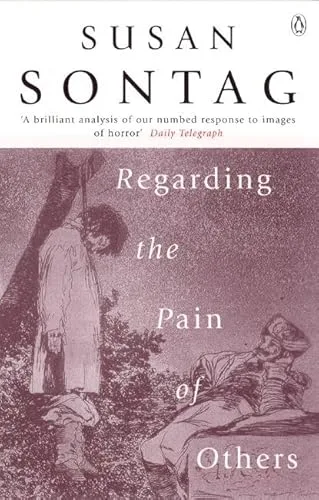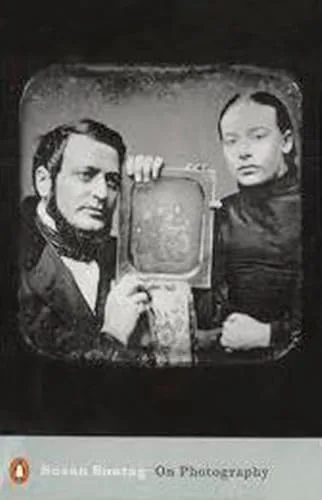
Susan Sontag examines how the camera functions as an instrument of surveillance, appropriation, and moral detachment. She argues that the act of taking a photograph creates a predatory relationship between the photographer and the subject, effectively turning people into objects that can be symbolically possessed. The text tracks the shift from photography as a tool for documenting reality to a medium that aestheticizes suffering and creates a chronic voyeurism. Sontag discusses the "heroism of vision" and how continuous exposure to startling images eventually numbs the public's emotional response to historical atrocities.
This book serves students of visual culture, working photographers, and sociologists interested in how media shapes human perception. Readers gain a framework for analyzing the ethical implications of the gaze and the way images dictate modern standards of beauty and truth. The writing clarifies how the camera intervenes in direct experience, leaving the reader with a skeptical lens through which to view the saturation of digital and print media in daily life.
- Published
- 1973
- Language
- EN