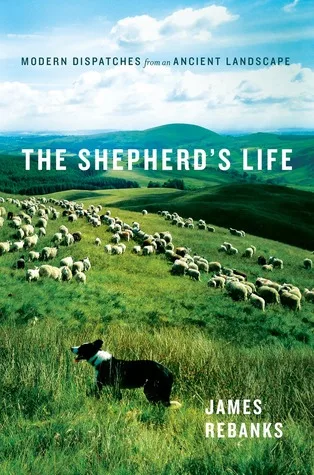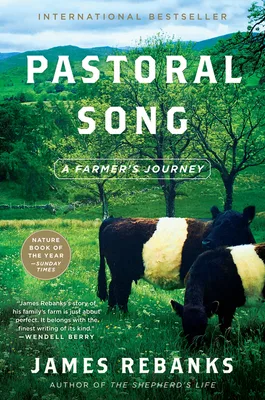
James Rebanks documents the industrialization of the Lake District landscape through three generations of his family. He contrasts his grandfather’s traditional rotational grazing and muck-spreading techniques with the chemical-intensive, high-yield methods his father adopted during the agricultural revolution of the late twentieth century. Rebanks details how global food supply chains and government subsidies incentivized the removal of hedgerows, the drainage of wetlands, and the decline of soil biodiversity. He concludes by detailing his own efforts to restore the farm’s ecosystem through sustainable husbandry and holistic land management.
Ecologists and agricultural students read this book to understand the tension between commercial food production and environmental stewardship. It appeals to readers interested in how specialized land use impacts wild bird populations and soil microbiology. The audience gains a practical perspective on the costs of cheap food and learns how small-scale farms can reintroduce natural complexity back into the landscape without abandoning profitability. A reader finishes the text with a technical grasp of the trade-offs required to balance modern calories with ecological integrity.
- Published
- 2020
- Language
- EN