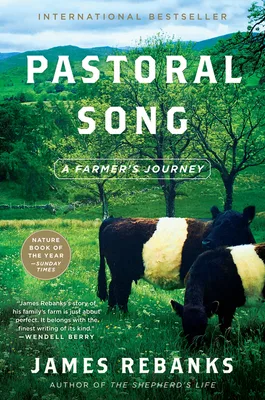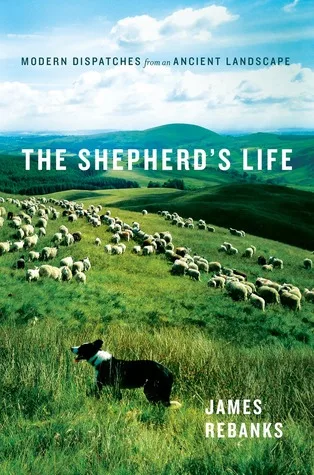
In this account, James Rebanks travels to a remote Norwegian archipelago to live and work with an elderly woman named Anna. She maintains a centuries-old tradition of tending to wild eider ducks, building them nesting boxes from driftwood and protecting them from predators in exchange for their valuable down. The text documents the physical labor of the Arctic spring, from cleaning nesting sites to harvesting feathers. Rebanks examines the delicate science of this non-extractive relationship, showing how human intervention can stabilize a wild population against environmental stressors. Through their daily chores, the narrative details a form of stewardship that relies on keen observation of migration patterns and local ecology rather than industrial management.
Readers interested in rural traditions and conservation biology will find a practical study of symbiosis. The book serves those who want to understand how ancient manual techniques apply to modern ecological restoration. It provides a clear look at the reality of subsistence living in a changing climate and the specific knowledge required to maintain a habitat. A reader finishes the book with an understanding of why specific local customs are necessary for biodiversity and how a deep connection to a single landscape dictates the survival of both humans and wildlife.
- Published
- 2024
- Language
- EN