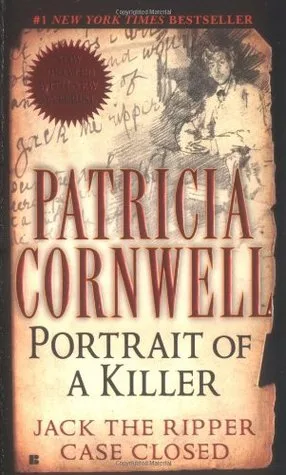
In this true crime investigation, Patricia Cornwell applies modern forensic techniques to the 1888 Whitechapel murders. She identifies the prolific Impressionist painter Walter Sickert as Jack the Ripper, arguing that his physical impairments and psychological fixations drove him to commit the canonical killings and several unlinked crimes. Cornwell uses mitochondrial DNA analysis on postage stamps and stationery to link Sickert to the taunting letters sent to Scotland Yard. She also compares Sickert’s artwork to crime scene photographs, asserting that his paintings contain hidden details of the victims’ injuries and body placements that only the killer could have known.
This book is intended for historical criminal investigators and readers interested in the application of forensic science to cold cases. It serves those who want to see how contemporary profiling, paper analysis, and digital enhancement can be utilized to re-examine Victorian-era evidence. The reader acquires a specific understanding of Walter Sickert’s movements during the late nineteenth century and an overview of how genetic testing is applied to degraded physical artifacts. By the end, the reader possesses a detailed argument for a singular suspect based on a synthesis of art history and laboratory data.
Outward-looking and growth-minded; a moderate read.
Best for readers like The Practical Optimizer. Which reader are you?
- Published
- 2002
- Language
- EN