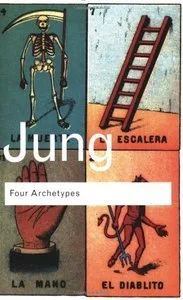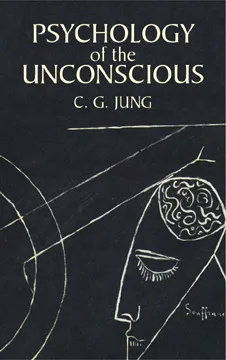
In this work, Jung analyzes the fantasies of a patient, Miss Miller, to investigate the symbolic parallels between individual psychosis and ancient mythology. He argues that the libido is a general psychic energy rather than a purely sexual drive, marking his theoretical break from Sigmund Freud. By tracing the "Hiawatha" and "Song of Songs" motifs within the patient's visions, Jung identifies recurring mental patterns he calls archetypes. These structures allow him to interpret the hero’s quest as a psychological process of the ego attempting to free itself from the internal pull of the maternal unconscious.
Students of depth psychology and comparative mythology read this text to understand the historical origin of analytical psychology. It provides a technical framework for interpreting dreams and religious symbols through the lens of collective human experience. Readers gain a specific method for distinguishing between directed, logical thought and the associative, myth-making logic of the subconscious. The book offers a foundation for those seeking to categorize universal symbols and understand how ancestral heritage influences modern personal development and mental health.
- Published
- 1912
- Language
- EN