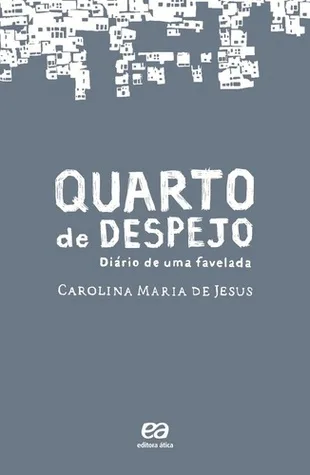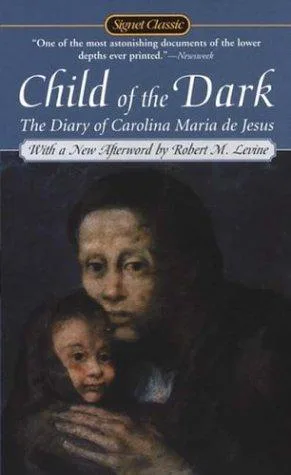
Carolina Maria de Jesus records her daily life as a waste picker in the Canindé favela of São Paulo through a series of diary entries dating from 1955 to 1960. The narrative documents the physical and psychological toll of hunger, which she symbolizes through the recurring presence of a yellow color in her vision during periods of starvation. She describes the labor of collecting scrap paper and metals to provide basic sustenance for her three children, while detailing the social friction, domestic violence, and political neglect that define her neighborhood. Her observations contrast the squalor of the favela, which she defines as a room for discarded objects, with the prosperity of the city center.
Social scientists, historians, and readers interested in urban poverty read this book to see the structural inequality of mid-century Brazil from an internal perspective. It provides a primary account of how chronic food insecurity and lack of sanitation dictate the survival strategies of the urban poor. Readers gain a technical understanding of the informal economy and the localized effects of populist politics on marginalized citizens. The text functions as a record of resistance against invisibility, showing how literacy becomes a tool for documenting human experiences that are otherwise omitted from official historical archives.
- Published
- 1960
- Language
- EN