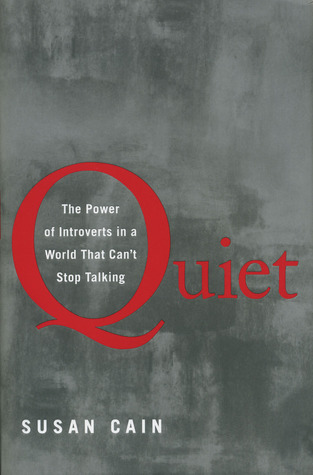
Quiet: The Power of Introverts in a World That Can't Stop Talking
Susan Cain examines the cultural shift from a nineteenth-century Cult of Character to a modern Cult of Personality that favors the Extrovert Ideal. She presents neurological research regarding the amygdala’s response to stimulation, contrasting high-reactive infants with those who remain calm under pressure. The text details the rise of public speaking training in business schools and the shift toward collaborative open-office plans. Cain analyzes why solitude and deep focus are necessary for innovation, drawing on the biological differences in how introverts and extroverts process dopamine and external stimuli.
Introverts seeking to understand why they feel exhausted by social environments read this to gain a biological and psychological framework for their temperament. It is for managers who want to structure teams for better productivity and parents raising quiet children in loud school systems. Readers walk away with strategies for restorative niches and an understanding of how to use their natural listening skills in leadership roles. They learn to navigate a society built for outgoing personalities without abandoning their own quiet traits.
Insights from Quiet: The Power of Introverts in a World That Can't Stop Talking
“We shifted from a Culture of Character to a Culture of Personality.”
Extroversion is a fairly new American ideal. Life used to value character and quiet honor over being a magnetic performer.
“Solitude is a catalyst for innovation.”
Open office plans actually kill productivity. Most people do their best work when they have a door to close.
Some kids are just born more sensitive to lights and noise. Their brains are wired to notice everything before they act.
“A Free Trait Agreement is a great way to stay sane.”
Introverts can act like social butterflies for things they truly care about. They just need a dark room and a book afterward.
- Published
- 2012
- Publisher
- Penguin UK
- ISBN
- 9780141970172
- Language
- EN