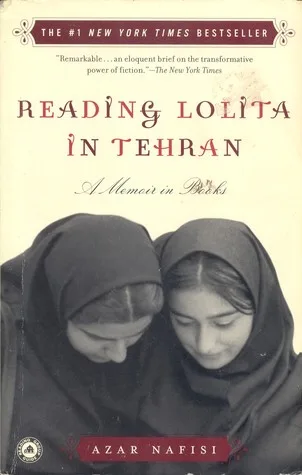
In the midst of the Iranian Cultural Revolution, Azar Nafisi resigns from her university position and invites seven female students to her home for weekly literature discussions. For two years, they analyze Western classics by Vladimir Nabokov, F. Scott Fitzgerald, Henry James, and Jane Austen. They contrast the restrictive morality laws and mandatory veiling imposed by the Islamic Republic against the fictional lives of characters seeking autonomy. The narrative connects specific literary plots, such as Gatsby’s obsession or Elizabeth Bennet’s independence, to the women’s personal struggles with censorship, arrest, and lost professional identities under a totalitarian regime.
Readers of history and literature value this account for its examination of how private imagination serves as a tool for political endurance. It attracts those interested in the social evolution of post-revolutionary Iran and the structural relationship between female agency and state authority. The audience observes how high art functions not as an escape, but as a framework for interpreting human rights and systemic oppression. One moves away with a clear understanding of the psychological toll of intellectual isolation and the specific ways secular academics maintained their internal freedom during a decade of radical societal shifts.
Inward-looking and contemplative; a moderate read.
Best for readers like The Mindful Reader. Which reader are you?
Insights from Reading Lolita in Tehran: A Memoir in Books
“I left Tehran, but Tehran did not leave me.”
Leaving home is heartbreaking even when home is a prison. Memories of those tea sessions became more real than the city they left behind.
“We were not the figments of someone's imagination. We were the imagination.”
Living under a regime means your private life becomes an act of rebellion. Reading Gatsby in a secret room felt like reclaimimg stolen ground.
“The highest forms of understanding we can achieve are mixed with love.”
Nabokov became a lifeline for these women because he understood cruelty. They saw their own lives in the way his characters were trapped by others.
The morality police cared more about a stray lock of hair than a woman's soul. Literature was the only place where their internal worlds remained legal.
- Published
- 2003
- Language
- EN