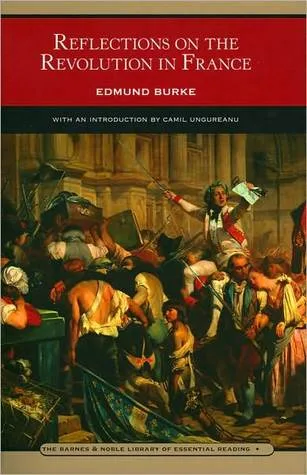
In this foundational text of modern conservatism, Edmund Burke critiques the 1790 French Revolution as a dangerous departure from organic historical development. He argues that society is a partnership between the living, the dead, and the unborn, maintained through established institutions like the monarchy, the church, and the landed aristocracy. Burke rejects the Enlightenment concept of abstract natural rights, asserting instead that liberty is an inherited privilege earned through tradition. He predicts that the systematic destruction of social hierarchies and religious structures will lead to violent chaos and military dictatorship.
Students of political science and history read this work to understand the intellectual roots of institutional stability and the dangers of rapid social engineering. Readers gain a framework for analyzing how sudden, radical changes to governance can undermine the cultural norms that prevent tyranny. The text provides an argument for the value of "prejudice"—learned social wisdom—over raw theory. Those interested in the tension between reform and preservation find a detailed case for why incremental change protects civil liberties more effectively than total systemic overthrow.
- Published
- 1790
- Language
- EN
More by Edmund Burke
See all →
Readers also enjoyed