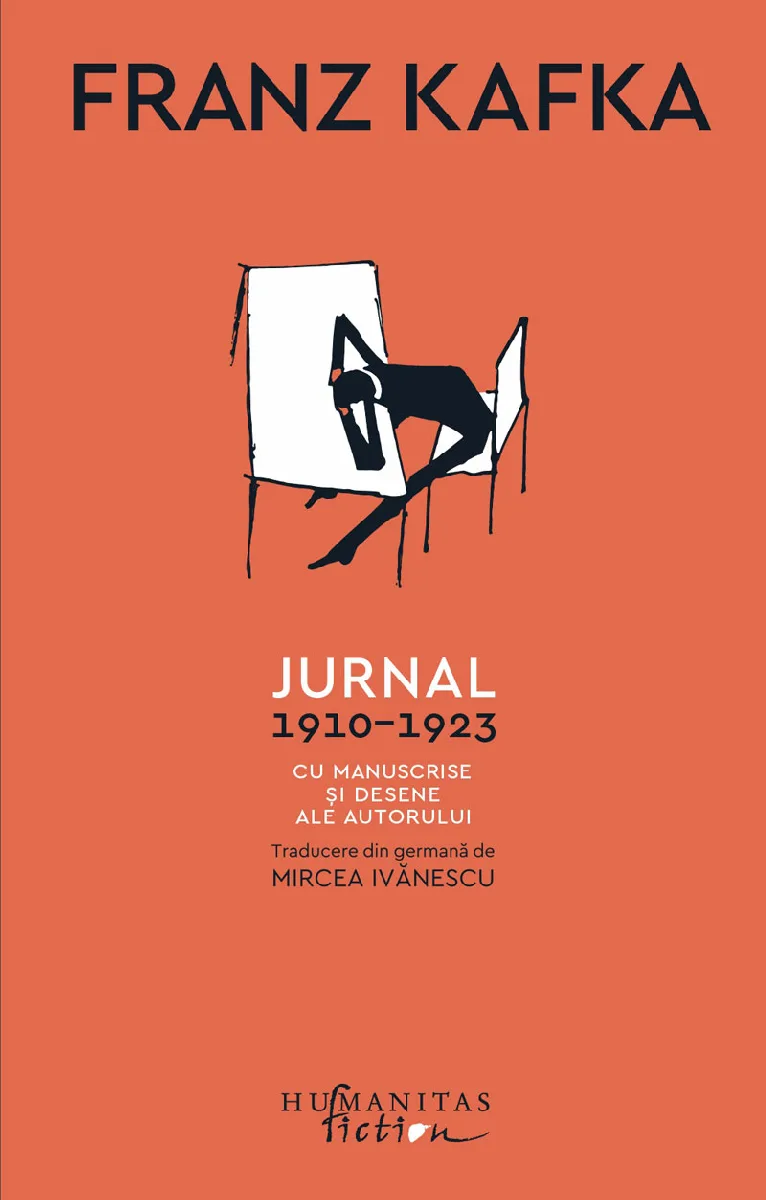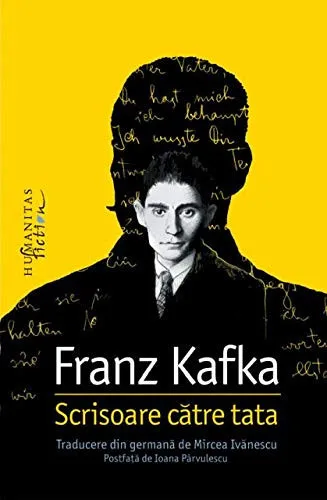
Franz Kafka writes a long, unsent letter to Hermann Kafka, his father, detailing a history of emotional intimidation and domestic tyranny. He describes how his father’s physical stature and assertive temperament created a permanent sense of guilt and physical inadequacy in him. The text addresses specific instances of trauma, such as being locked on a balcony at night, and argues that the elder Kafka’s constant disapproval stifled his son’s ability to marry or exist as an independent adult. Through this psychological autopsy, Kafka links his father's authoritarian presence directly to his own inability to find a place in the world.
Readers interested in the relationship between childhood trauma and artistic creation read this to understand the roots of Kafka’s literary style. The book serves those looking for a clinical look at how patriarchal pressure shapes a person's inner psyche. The reader gains a clarity regarding the origins of Kafka’s themes of bureaucratic absurdity and existential shame. This edition provides a Romanian perspective on the text through the translated prose of Mircea Ivănescu and the contextual framing of Ioana Pârvulescu, offering a specific linguistic bridge to the author's German phrasing.
Insights from Scrisoare către tata
“Scrisul meu a fost despre tine.”
Frica de tatăl său a fost atât de mare încât i-a furat toată încrederea în sine. Franz se simțea mereu ca un intrus în propria viață.
“Erai pentru mine măsura tuturor lucrurilor.”
Relațiile toxice nu dispar doar pentru că tu crești. El a rămas un copil speriat chiar și când a devenit bărbat în toată firea.
Uneori, părinții zdrobesc voința copiilor fără să își dea seama. Hermann era prea puternic, iar Franz prea fragil pentru lumea lui dură.
“M-ai lăsat fără cuvinte.”
Kafka explică cum tăcerea tatălui său la masă era mai grea decât orice ceartă. Acea răceală l-a făcut să se simtă mereu vinovat fără motiv.
- Published
- 2016
- Publisher
- Humanitas
- ISBN
- 9789736896408
- Language
- RO