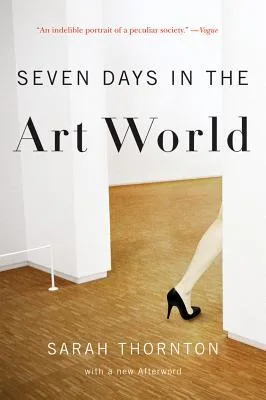
Sarah Thornton’s narrative provides an ethnographic study of the contemporary art market during its mid-2000s peak. The text is organized into seven distinct subcultures: a Christie's auction, a CalArts crit group, the Basel art fair, the Turner Prize announcement, Artforum magazine’s editorial offices, Takashi Murakami’s production studio, and the Venice Biennale. Thornton documents the social hierarchies, pricing mechanisms, and branding strategies that define how art is validated. She details the interactions between dealers, collectors, and artists, revealing how value is constructed through consensus and institutional gatekeeping rather than aesthetic merit alone.
This book serves students of art history, aspiring curators, and market participants who require a map of the industry’s social architecture. Readers learn the specific etiquette of high-stakes bidding and the logistical reality of large-scale studio manufacturing. It clarifies the relationship between critical acclaim and commercial success, providing a baseline for understanding how the global art ecosystem functions as both a prestige economy and a luxury goods market. By the end, the reader possesses a functional vocabulary for discussing the cultural infrastructure that separates hobbyists from professional insiders.
Outward-looking; a moderate read.
Best for readers like The Evidence Seeker. Which reader are you?
- Published
- 2008
- Language
- EN