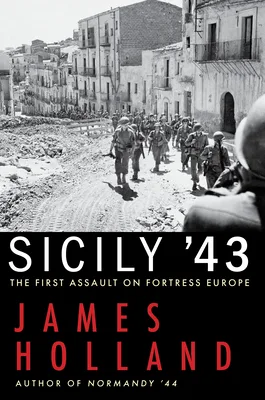
James Holland reconstructs the thirty-eight-day invasion of Sicily, known as Operation Husky, to challenge the narrative that the campaign was a slow, disorganized failure. He details how Allied forces utilized massive industrial output and air superiority to overwhelm Axis defenses, despite the rugged terrain and extreme summer heat. The text follows the strategic friction between commanders like Patton and Montgomery, while simultaneously tracking the tactical experiences of infantrymen, pilots, and Italian civilians. Holland demonstrates how the Allies refined combined arms doctrines and amphibious logistics that eventually dictated the success of the Normandy landings.
Military historians and readers of World War II operational history will find this analysis useful for its focus on logistics and mechanized warfare. The book provides a technical breakdown of how the Allied preponderance of steel and shells functioned against German tactical skill. Readers walk away with a clear understanding of the Mediterranean theater’s role in collapsing the Italian fascist regime. It offers a clear-eyed look at the developmental transition of the United States Army from an inexperienced force into a sophisticated global military power.
- Published
- 2020
- Language
- EN
More by James Holland
See all →


Readers also enjoyed