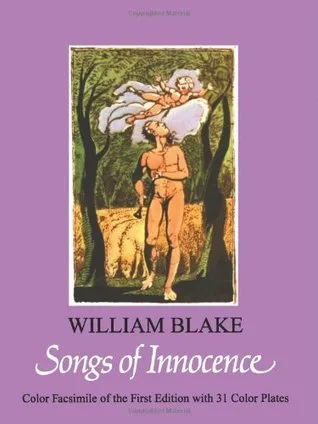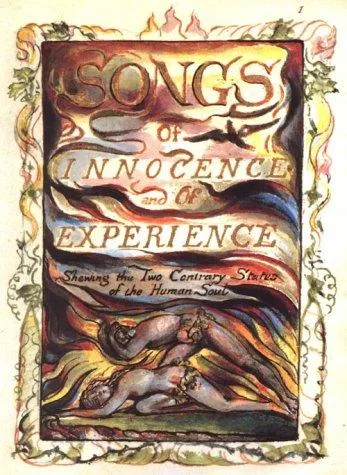
William Blake’s hand-colored collection contrasts two differing states of the human soul. The first section contains pastoral verses centered on childhood purity, the protection of a shepherd-creator, and a worldview defined by spontaneous joy. The second section provides a darker mirror, presenting the institutional repression, industrial suffering, and social hypocrisy of late eighteenth-century London. Blake utilizes recurring symbols, such as the gentle lamb and the predatory tiger, to illustrate how experience replaces instinctive wonder with cynical awareness and physical restriction. The poems critique organized religion and child labor through a framework of revolutionary mysticism.
Students of Romantic literature and visual artists read this work to study the synthesis of text and engraving. Readers gain a foundational understanding of the dialectic between innocence and corruption, learning how social structures alter human perception. The book provides a technical template for illuminated printing while offering a moral critique of how society treats its most vulnerable members. Those who finish the collection walk away with a clear view of Blake’s belief that true wisdom requires integrating both the light and dark aspects of existence.
- Published
- 1794
- Language
- EN