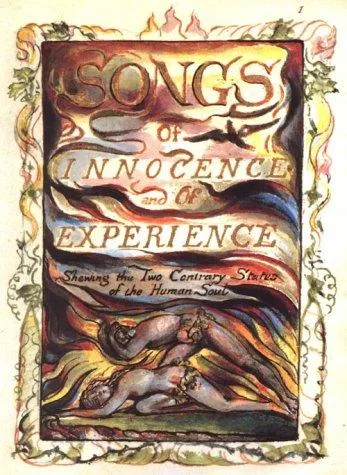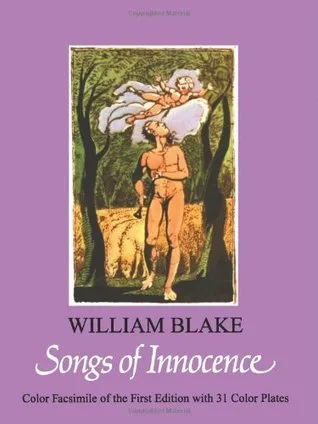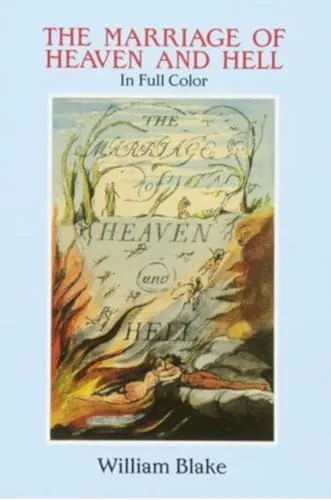
William Blake’s illuminated book challenges the religious dualism of the late eighteenth century by arguing that "contraries" are necessary for human existence. Through a series of prose prophecies, satirical "Memorable Fancies," and poetic aphorisms, Blake attacks the passive morality of Swedenborgian thought and traditional Christianity. He redefines "Heaven" as a state of stagnant analytical reason and "Hell" as the source of creative energy and desire. Central to the text are the Proverbs of Hell, which advocate for excess and the cleansing of sensory perception to reveal the infinite nature of reality.
Art historians and scholars of Romantic literature read this work to understand Blake’s unique synthesis of visual art and radical theology. It attracts readers interested in a philosophy that prioritizes individual imagination over institutional doctrine. The reader finishes the book with a framework for viewing physical desire and intellectual rebellion as holy forces rather than sinful impulses. It provides a historical perspective on the shift from Enlightenment rationalism to the visionary aesthetics of the nineteenth century.
- Published
- 1790
- Language
- EN