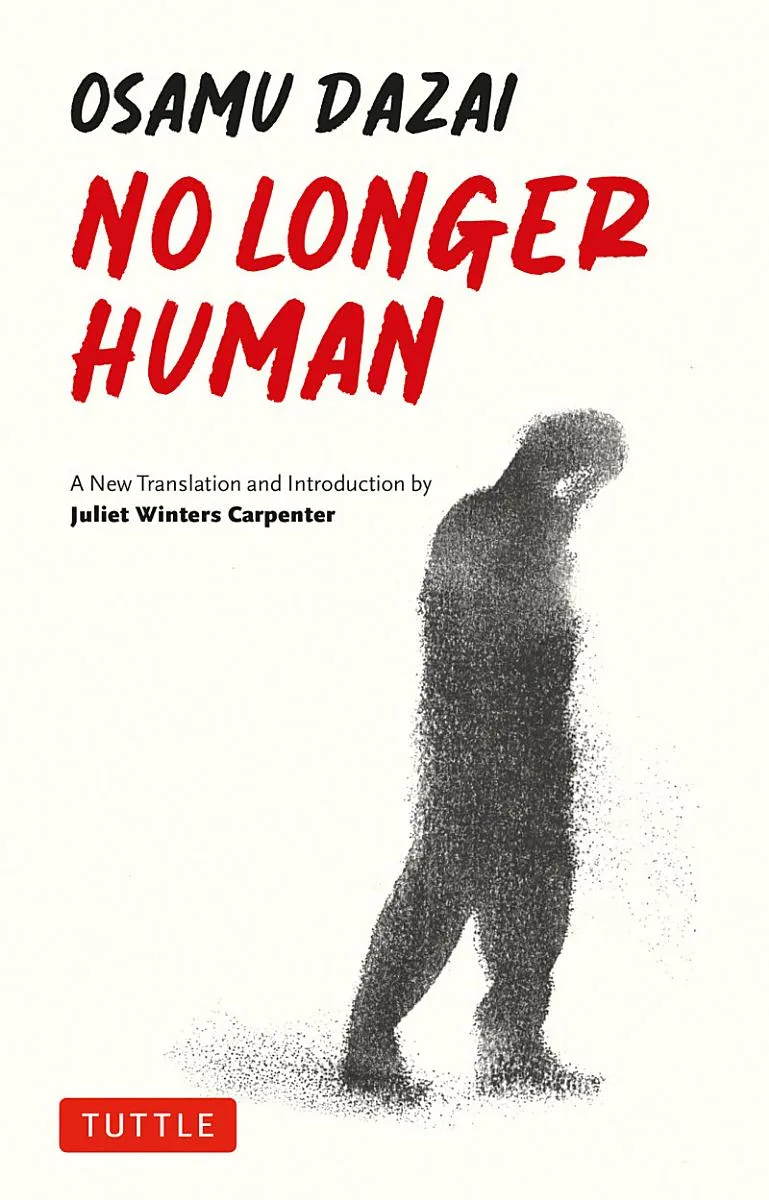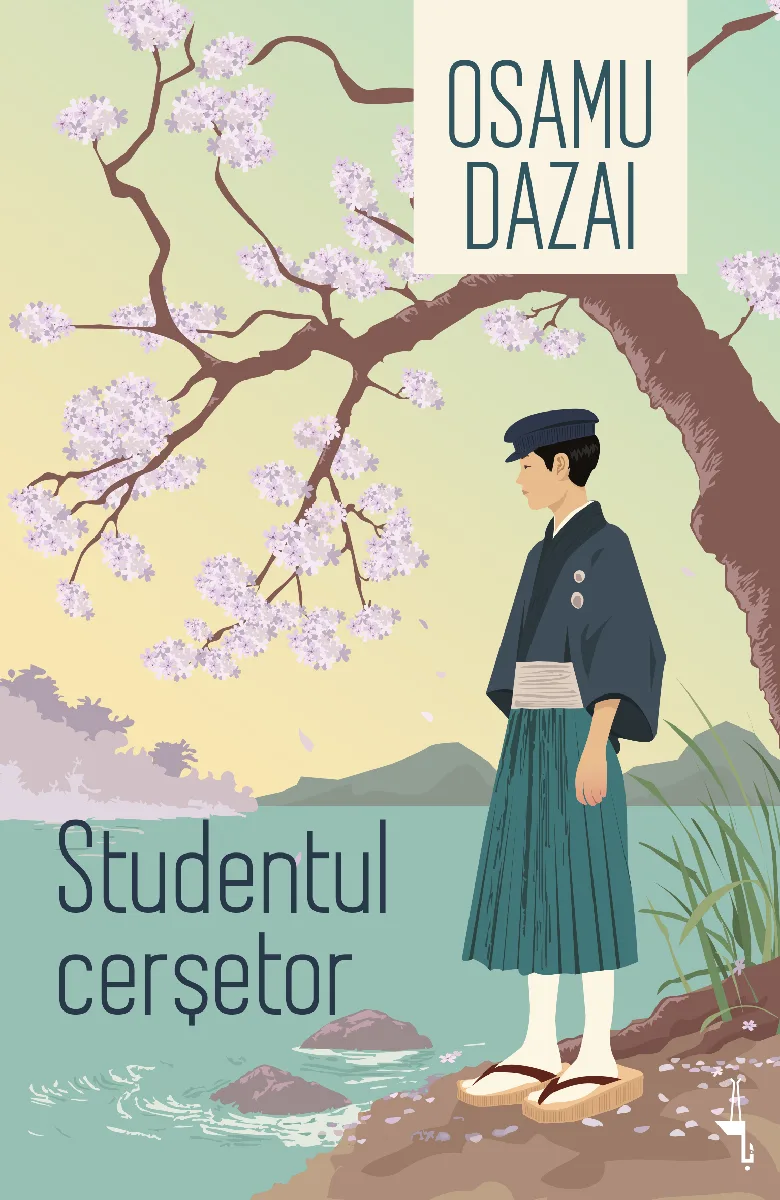
The narrative focuses on a young student in mid-century Japan who navigates an existence defined by social estrangement and a fragile sense of self. Dazai presents a character caught between the rigid expectations of his family and his own internal paralysis. Through a series of introspective observations, the protagonist describes his inability to form genuine connections or commit to a stable life path. The story documents specific moments of psychological tension where the pressure to conform to Japanese societal standards clashes with a persistent, isolating feeling of fraudulence.
Readers of existential fiction and Japanese literature study this work to understand the specific anxieties of the Shôwa era. It serves as a case study in how cultural shifts after the war influenced individual mental health and personal identity. Those who appreciate a clinical, honest look at human vulnerability will find a record of how shame governs social behavior. The reader gains an unfiltered perspective on chronic alienation and the difficulty of maintaining a public persona when one feels fundamentally disconnected from the surrounding world.
Insights from Studentul corsetor
“Trăiam cu o teamă constantă de a nu fi demascat.”
E ciudat cum personajul principal se simte vinovat pentru orice plăcere măruntă. Parcă fericirea lui e mereu un împrumut pe care nu îl poate returna.
Povestea arată cât de obositor este să porți o mască de om normal. Uneori efortul de a părea fericit te consumă mai mult decât tristețea în sine.
“Bunătatea oamenilor mă făcea să tremur de frică.”
M-a pus pe gânduri felul în care el vede bunătatea celorlalți ca pe o amenințare. O mână întinsă i se pare o capcană subtilă.
Obsesia lui pentru corsete e o metaforă perfectă pentru presiunea socială. Te strânge până când nu mai poți respira deloc.
- Language
- RO