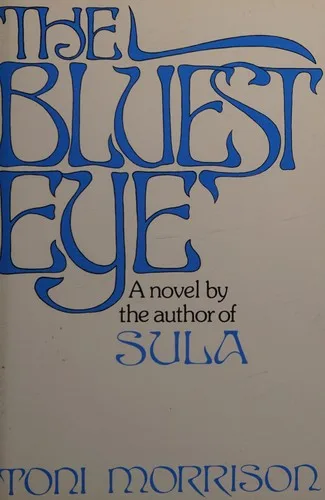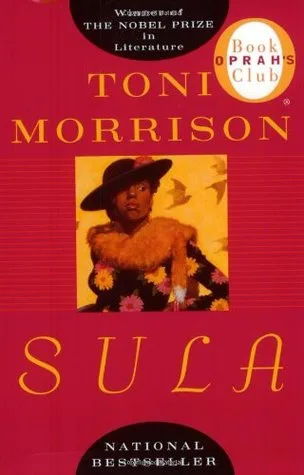
In the segregated neighborhood of Medallion, Ohio, Nel Wright and Sula Peace share a girlhood bond that fractures as they enter adulthood. Nel chooses the traditional path of marriage and domestic stability, while Sula rejects conventional morality, living as a restless pariah whose presence disturbs the town's social order. Their friendship collapses after an act of betrayal, forcing each woman to confront her identity against a backdrop of community judgment. The narrative examines how the Bottom residents define evil, the psychological weight of secrets like the accidental death of a neighborhood boy, and the ways Black women navigate limited social options.
Readers interested in the intersections of female friendship and societal ostracization find this story clarifies how communities maintain cohesion by labeling certain individuals as outsiders. It serves those who study the tension between personal autonomy and cultural duty. The reader gains a perspective on the internal lives of women who refuse to perform expected roles. By the end, the text leaves an understanding of how grief and memory shape a lifetime, moving past moral binaries to highlight the loneliness inherent in total independence.
Deep, inward-looking, contemplative, open-ended and thought-provoking; a moderate read.
Best for readers like The Wisdom Collector. Which reader are you?
- Published
- 1973
- Language
- EN
Quotes by Toni Morrison
More →Freeing yourself was one thing, claiming ownership of that freed self was another.
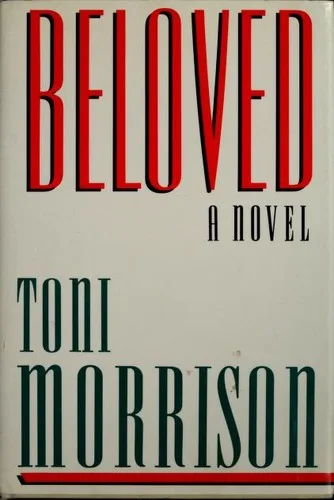
Beloved
The function of freedom is to free someone else.
You wanna fly, you got to give up the stuff that weighs you down.
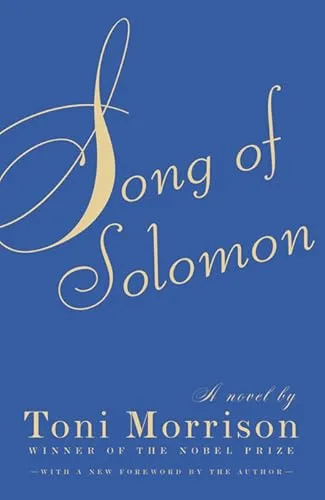
Song of Solomon