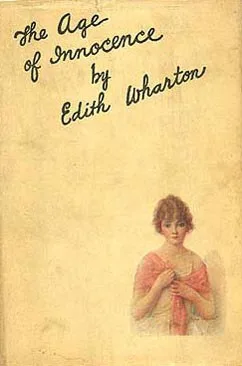
Newland Archer, a young gentleman integrated into the rigid social hierarchy of 1870s New York, prepares for a safe marriage to the conventional May Welland. His structured world destabilizes when May’s cousin, Countess Ellen Olenska, returns from Europe seeking a divorce. While Newland initially attempts to uphold the tribal codes of his class, he finds himself drawn to Ellen’s intellectual independence and disregard for social artifice. The narrative documents his internal conflict between personal fulfillment and the crushing obligations of ancestral tradition, culminating in a tactical intervention by the social elite to preserve the status quo.
Readers interested in the history of manners and the psychological costs of societal conformity find this work a precise study of human behavior under pressure. It appeals to those who appreciate depictions of invisible social boundaries and the quiet tragedy of roads not taken. The reader understands how collective expectations act as a silent force that dictates individual choices. One finishes the text with a clear perspective on the tension between private desire and the public necessity of maintaining a respectable facade within an insular community.
Insights from The Age of Innocence
“The individual, in such cases, is nearly always sacrificed to what is supposed to be the collective interest.”
Newland Archer thinks he is the only one who sees the cracks in his world. He realizes too late that everyone else was just better at playing the game.
“He saw her tall and calm and shrouded in her own purity.”
May Welland seems like a simple, fragile girl. Her silence is actually a weapon used to keep her marriage exactly where she wants it.
“It was the old New York way of taking life without effusion of any sort.”
Ellen Olenska brings a certain kind of messiness that people in New York can't handle. They prefer a beautiful lie over a complicated truth.
“The silent organization of a family party.”
The dinner party at the end feels like a quiet execution. Nobody raises a voice, but they all agree to exile Ellen together.
- Published
- 1920
- Language
- EN


![The United States in Literature [with three long stories] -- Seventh Edition](https://kwbjoqloympvbpzbrfja.supabase.co/storage/v1/object/public/scan-images/catalog/f48162c6-7eb5-41ec-933b-9c4218489c7d-full.webp)