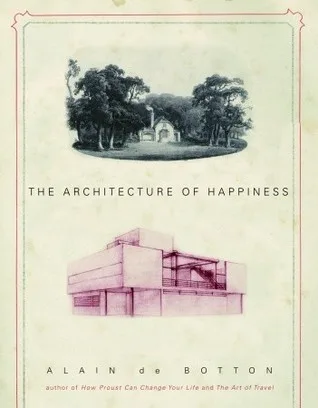
Alain de Botton argues that the physical structures we inhabit function as psychological mirrors that speak to our inner needs. He rejects the idea that architecture is merely a technical or aesthetic discipline, asserting instead that buildings influence our moods and moral outlooks. Through examples ranging from Palladian villas to modern concrete blocks, the text examines how specific design choices—like the height of a ceiling or the symmetry of a window—reflect human virtues such as order, balance, and grace. The central thesis is that we seek out environments that possess the qualities we currently lack in our own temperaments.
This book serves readers interested in the intersection of psychology and urban design who want to understand why certain spaces feel hospitable while others feel hostile. It is for those who wish to move beyond surface-level decoration to analyze the emotional impact of their surroundings. Readers walk away with a vocabulary for identifying how light, material, and spatial arrangement affect their mental well-being. By the end, the audience learns to view every arch and pillar as a medium for communicating specific human values and aspirations.
Deep; a moderate read.
Best for readers like The Empathetic Explorer. Which reader are you?
- Published
- 2006
- Language
- EN