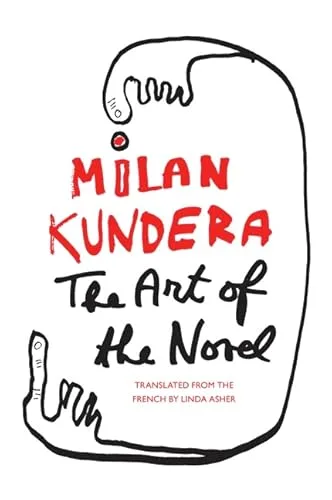
Milan Kundera defines the novel as an autonomous investigation into human existence rather than a servant of historical or political ideologies. He traces the evolution of the form from Cervantes to Kafka, arguing that the genre exists to uncover aspects of reality that only poetic prose can capture. The text outlines four specific formal requirements: the polyphonic structure of ideas, the comic nature of its origins, the role of chance in narrative, and the suspension of moral judgment. Kundera insists that the novel’s mission is to safeguard the individual against the reductive forces of modern bureaucracy and totalizing systems.
Writers and students of literary theory use this guide to understand the technical architecture of complex narratives. The reader learns how to balance philosophical inquiry with character development while avoiding the traps of didacticism. By studying these essays, a practitioner gains a framework for viewing fiction as a tool for existential discovery. The book provides a clear vocabulary for discussing the relationship between authorial intent and the formal constraints of the European literary tradition.
- Published
- 1960
- Language
- EN