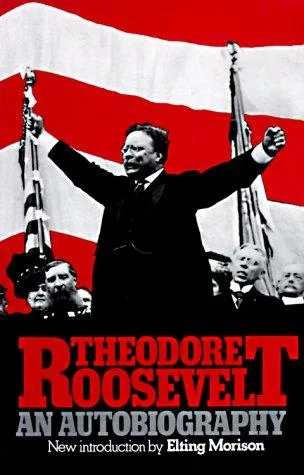
Theodore Roosevelt details his transition from a sickly child practicing taxidermy to the leader of the Rough Riders and eventually the President of the United States. He focuses on his philosophy of the "strenuous life," outlining his efforts in civil service reform, his time as a deputy sheriff in the Dakota Territory, and his tenure as New York’s Police Commissioner. The text documents his specific legislative battles against corporate monopolies and his views on conservation, including the expansion of the National Park Service and the building of the Panama Canal.
History enthusiasts and students of American politics read this account to observe the inner workings of early twentieth-century government. The book provides a primary record of Roosevelt’s administrative methods and his beliefs on masculine virtue and civic duty. Readers walk away with a technical understanding of the executive branch’s role in labor disputes and international diplomacy. It serves as a manual for leadership and a first-hand report on the progressive era’s social and economic shifts.
- Published
- 1913
- Language
- EN