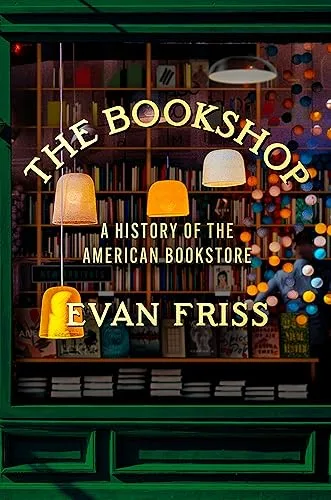
Evan Friss tracks the evolution of American book selling from the colonial era to the present dominance of Amazon. He focuses on specific storefronts to illustrate shifts in the industry, including Benjamin Franklin’s print shop, the high-society atmosphere of Brentano's, and the community-centric model of the Strand. The narrative analyzes how retailers managed inventory, designed displays to influence browsing habits, and struggled against the rise of department stores and suburban chains. Friss examines the bookstore as a physical junction where intellectual commerce meets the practical demands of capitalism and urban logistics.
Historians and bibliophiles read this book to understand the commercial mechanics behind literary culture. Readers learn how changes in urban planning and retail technology forced independent sellers to adapt their business strategies to survive. The text provides a clear view of how curated collections and communal spaces emerged as a defense against mass-market competition. By the end, the reader recognizes the bookstore not just as a shop, but as a persistent social institution that shapes how neighborhoods function and how people access information.
- Published
- 2024
- Language
- EN
Readers also enjoyed