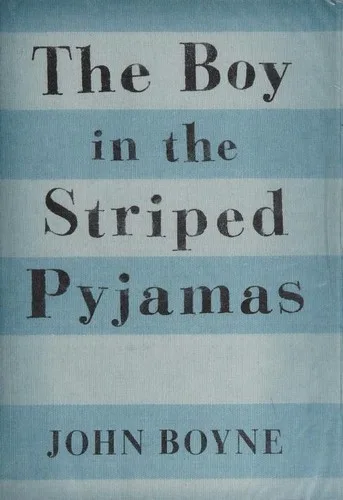
Nine-year-old Bruno moves from a comfortable life in Berlin to a desolate house in Poland after his father receives a promotion to command the Auschwitz concentration camp. From his bedroom window, Bruno observes people behind a barbed-wire fence wearing matching striped outfits. During a secret walk along the perimeter, he meets Shmuel, a Jewish boy living on the other side. They form a friendship through the wire, sharing stories of their different lives while remaining ignorant of the camp's true purpose and the systemic violence occurring within it.
Young adult readers and students of history choose this story to view the Holocaust through a lens of childhood innocence and naivety. It provides a way to examine how physical and social barriers are constructed between groups. Readers walk away with a perspective on how propaganda shapes a child's worldview and the tragic consequences that occur when the human cost of hatred is ignored. The narrative highlights the contrast between bureaucratic evil and individual human connection.
Thought-provoking; an easy read.
Best for readers like The Story Seeker. Which reader are you?
Insights from The Boy in the Striped Pyjamas
“We're like twins, said Bruno.”
Bruno is nine and has no idea what a fence really means. Seeing the world through his eyes makes every small misunderstanding feel like a punch to the gut.
“It's so unfair. I don't see why I have to be stuck over here.”
Shmuel stays on his side of the wire even when he is starving. It shows how quickly children accept a cruel reality as just the way things are.
Gretel swaps her dolls for maps to please her father. Growing up feels like losing your heart to a cause you don't even understand.
The way the family treats the servant Pavel is devastating. He was a doctor before the war but now he is just a man who peels potatoes.
- Published
- 2006
- Language
- EN