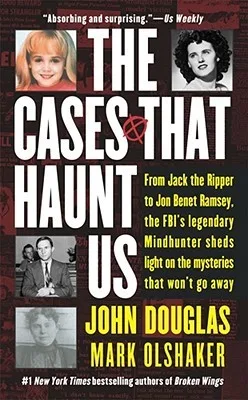
John Douglas applys the modern behavioral profiling techniques he developed at the FBI to historical unsolved mysteries. He evaluates the evidence through the lens of victimology and criminal signatures to determine the likely psychological makeup of the perpetrators. The text analyzes the Jack the Ripper murders in Victorian London, the Lizzie Borden trial, the kidnapping of the Lindbergh baby, and the Black Dahlia slaying. Douglas argues that despite the passage of time, human behavior remains consistent, allowing him to rule out specific suspects based on how their life patterns align with the crime scenes.
True crime enthusiasts and amateur historians read this book to see how forensic psychology functions when stripped of modern DNA or technology. Readers gain a framework for analyzing evidence based on behavioral consistency rather than circumstantial myths. The book provides a technical breakdown of how a professional profiler reconstructs a killer's motive and escalation. By the end, the reader walks away with a refined understanding of the difference between an organized and a disorganized offender, applied to some of the most famous cold cases in history.
Clear-cut; a moderate read.
Best for readers like The Evidence Seeker. Which reader are you?
- Published
- 2000
- Language
- EN
More by John E. Douglas
See all →