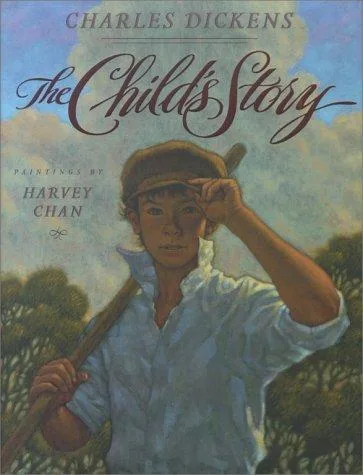
Tracing the progression of a single traveler across an allegorical landscape, this narrative depicts the human life cycle as a series of encounters in a vast forest. The protagonist moves through chronological stages, first meeting a beautiful child playing among flowers, then a student immersed in books, followed by a young man occupied with romance, and a middle-aged professional focused on labor. Each figure eventually disappears, leaving the traveler to continue toward an ultimate destination. Dickens uses these distinct characters to represent the shifting priorities and heavy losses encountered during the transition from youth to old age.
Readers interested in Victorian allegory and the psychological experience of aging value this work for its unsentimental look at the passage of time. It appeals to those seeking a short, structured meditation on how personal identity changes as childhood curiosity gives way to adult responsibility and eventually to quiet reflection. The reader gains a clear perspective on the inevitability of change and a framework for understanding their own position within the trajectory of a lifetime. The story provides a sober realization regarding the cyclical nature of human existence.
- Published
- 1988
- Language
- EN
Quotes by Charles Dickens
More →It was the best of times, it was the worst of times, it was the age of wisdom, it was the age of foolishness.
A Tale of Two Cities