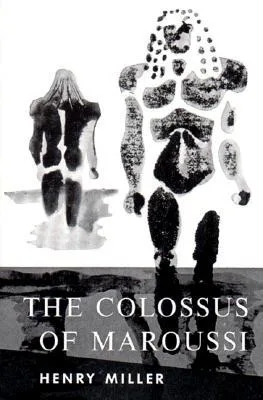
Escaping the impending conflict of World War II in 1939, Henry Miller travels to Greece at the invitation of Lawrence Durrell. The narrative tracks his movement from the urban center of Athens to the volcanic landscape of Hydra and the ruins of Mycenae. Instead of a standard tourist itinerary, Miller focuses on his encounters with the poet Katsimbalis, whose physical presence and booming voice represent a vital, ancient energy. Miller rejects industrial civilization and Western intellectualism, advocating instead for a return to sensory experience, human spontaneity, and the stillness found in the Greek light.
This book serves readers interested in a philosophy of simplification and radical presence. It appeals to those seeking a blueprint for shedding psychological burdens through the rejection of material wealth and social status. By following Miller’s shift from a cynical expatriate to a man revitalized by the Mediterranean landscape, the reader learns to prioritize immediate human connection over productivity. The final takeaway is a perspective on personal liberation that values individual spirit over institutional security, encouraging a life lived with total engagement in the current moment.
- Published
- 1941
- Language
- EN