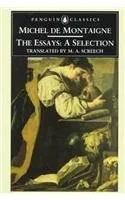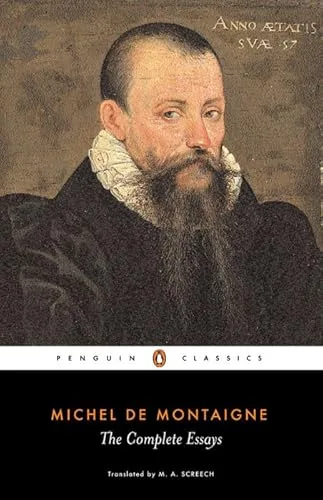
Michel de Montaigne invented the essay as a vehicle for self-examination, recording his shifting opinions on human nature from 1580 until his death. Writing during the French Wars of Religion, he rejects absolute certainty, famously asking "What do I know?" The text moves between mundane topics like smells and thumb mechanics to complex inquiries into education, stoicism, and sexual morality. He utilizes historical anecdotes from Plutarch and Seneca to test his own reactions, arguing that the study of a single individual’s mind provides a window into the universal human condition.
This collection benefits readers interested in the mechanics of thought and the psychology of doubt. Those who value skepticism over dogma find here a model for intellectual honesty and personal perspective. Readers gain a framework for observing their own inconsistencies and a vocabulary for discussing the fallibility of memory and judgment. By the final page, one walks away with a practical method for maintaining mental independence while living amidst social and political volatility.
Deep, inward-looking, contemplative and open-ended; a demanding read.
Best for readers like The Wisdom Collector. Which reader are you?
- Published
- 1580
- Language
- EN
Quotes by Michel de Montaigne
More →To doubt everything or to believe everything are two equally convenient solutions; both dispense with the need for thought.
Essays
The most certain sign of wisdom is cheerfulness.
Essays