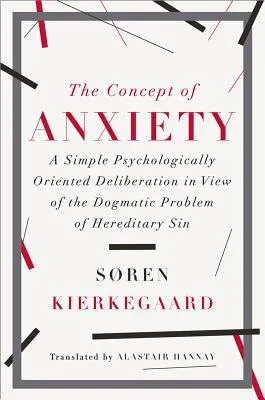
The Concept of Anxiety: A Simple Psychologically Oriented Deliberation in View of the Dogmatic Problem of Hereditary Sin
Søren Kierkegaard examines the psychological state of dread as the necessary precursor to the leap into sin. Using the pseudonym Vigilius Haufniensis, he analyzes the biblical narrative of Adam to argue that anxiety is not a result of sin, but rather a dizzying awareness of one's own freedom and the terrifying possibility of choice. He defines this sensation as the vertigo of freedom. The text connects this internal tension to the theological framework of hereditary sin, suggesting that human beings face a constant struggle between their finite physical existence and their infinite spiritual potential.
This work serves students of existentialism and philosophical psychology seeking to understand the internal origins of human unease. Readers find a detailed breakdown of how self-consciousness develops through the experience of ambiguity. The book provides a technical vocabulary for describing the relationship between the individual spirit and the concept of guilt. Those who finish the text gain an objective view of their own psychological restlessness, viewing anxiety not as a clinical pathology to be cured, but as a fundamental characteristic of the human condition.
- Published
- 1844
- Language
- EN