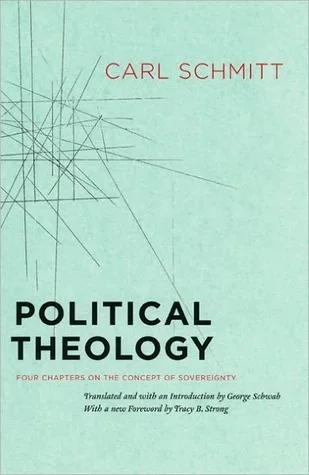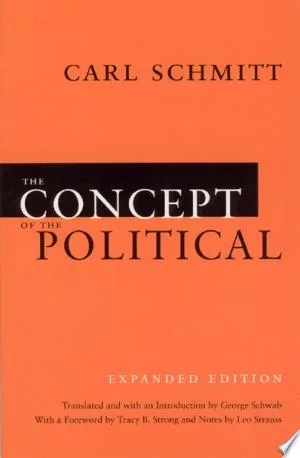
Carl Schmitt defines the essence of the political through the specific distinction between friend and enemy. He argues that the state’s authority rests on its ability to identify an adversary and demand that its citizens risk their lives to confront that threat. This 2024 edition includes Schmitt’s critique of liberal individualism, which he claims fails to provide a legitimate basis for state sacrifice or communal identity. The volume features his 1929 lecture on the movement toward technical and economic neutrality, alongside commentary by Leo Strauss investigating the philosophical tensions within Schmitt’s rejection of global universalism.
Political theorists and law students read this text to analyze the limits of liberal democracy and the origins of sovereign power. It provides a framework for understanding how states maintain legitimacy during periods of intense polarization or international conflict. Readers gain a clear perspective on the differences between private morality and public statecraft, helping them identify the underlying ideological conflicts that remain active in modern governance. This edition serves those examining the historical shift from traditional legal structures to the total states of the twentieth century.
Deep, outward-looking and open-ended; a demanding read.
Best for readers like The Deep Diver. Which reader are you?
- Published
- 2024
- Publisher
- University of Chicago Press
- ISBN
- 9780226738840
- Language
- EN