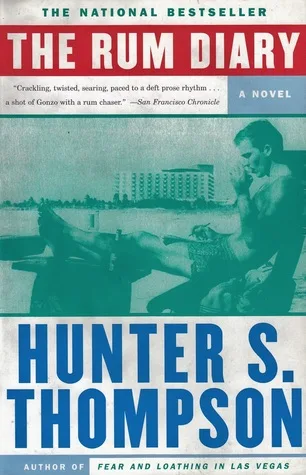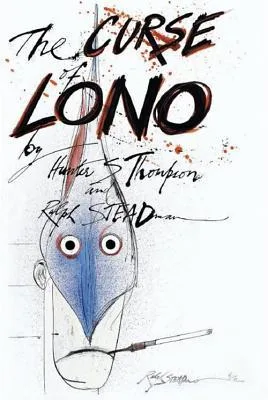
Hunter S. Thompson travels to Hawaii in 1980 to cover the Honolulu Marathon for Running magazine. Accompanied by illustrator Ralph Steadman, Thompson depicts a chaotic environment defined by torrential rains, heavy drug use, and a deteriorating sense of journalistic duty. The narrative shifts from a sports report into a hallucinatory obsession with Hawaiian mythology, specifically the legend of Lono, an ancient deity prophesied to return. Thompson believes he is the reincarnation of this god, leading to a confrontation with local residents and a frantic escape to the City of Refuge.
Readers of gonzo journalism and countercultural history seek out this text to observe the intersection of celebrity burnout and colonial tension. It appeals to those frustrated with traditional reporting who prefer a subjective, visceral account of a location’s social atmosphere. The reader finishes the book with a cynical understanding of how tourism commercializes indigenous spirituality and how the pressure of a professional assignment can dissolve into a private psychological crisis. They gain a perspective on the late-career instability of a writer struggling to separate his public persona from his actual identity.
Balanced in tone; a moderate read.
Best for readers like The Story Seeker. Which reader are you?
- Published
- 1983
- Language
- EN
Quotes by Hunter S. Thompson
More →A man who procrastinates in his choosing will inevitably have his choice made for him by circumstance.
The Proud Highway
More by Hunter S. Thompson
See all →