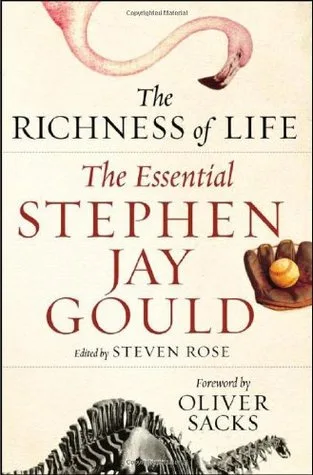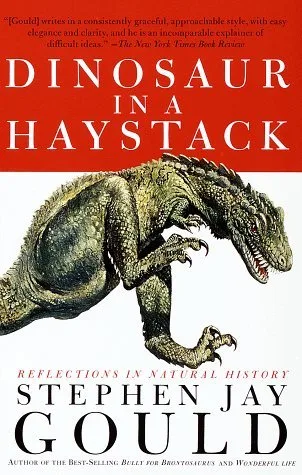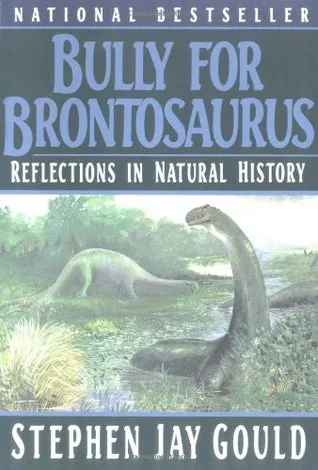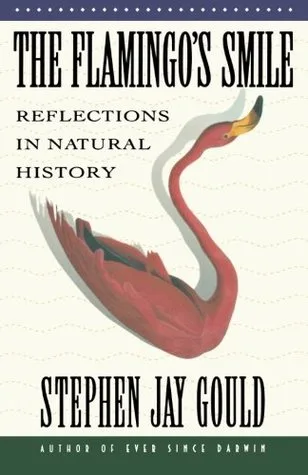
In this collection of essays, Stephen Jay Gould examines the intricate mechanics of evolution through the lens of biological oddities and historical scientific debate. He addresses the inverted feeding mechanism of the flamingo, the sexual cannibalism of the praying mantis, and the controversial classification of the Venus flytrap. The text focuses on the concept of exaptation—where structures evolve for one purpose but are later co-opted for another—and argues against a purely linear view of progress. Gould also investigates the mass extinction at the Cretaceous-Paleogene boundary, evaluating the impact theory and its implications for the predictability of life.
Science students and natural history enthusiasts read this book to understand the nuances of evolutionary theory beyond simple selection. Readers gain a technical appreciation for how historical contingencies and physical constraints shape the natural world. Instead of grand narratives, the audience walks away with a detailed understanding of how trial and error, environmental shifts, and anatomical quirks define the survival of species. It serves as a study in how scientists reconstruct the past from fragmentary evidence and idiosyncratic biological traits.
- Published
- 1985
- Language
- EN