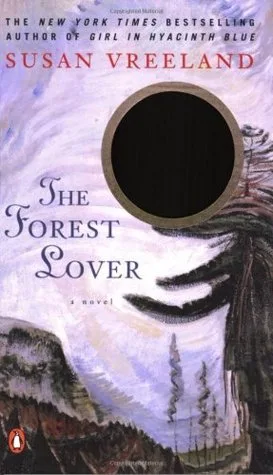
The novel follows the life of Canadian artist Emily Carr as she rejects the social expectations of early twentieth-century Victoria to paint the wilderness of British Columbia. Driven by a desire to document the disappearing totem poles of the coastal First Nations tribes, Carr travels alone into remote indigenous villages and old-growth forests. The narrative details her struggles with poverty, isolation, and the rejection of the formal art world while tracing her shift from European Impressionism to a raw style that captures the spiritual scale of the cedar trees and native carvings.
Readers interested in the intersection of biography and art history will find a technical look at the challenges of landscape painting and the logistics of field research in rugged environments. The book appeals to those curious about the colonial history of the Pacific Northwest and the ethics of cultural representation in art. A reader walks away with a specific understanding of Carr’s technical methods, the names of the Kwakwaka’wakw and Haida communities she visited, and the historical tension between Victorian settlers and indigenous traditions.
- Published
- 2004
- Language
- EN