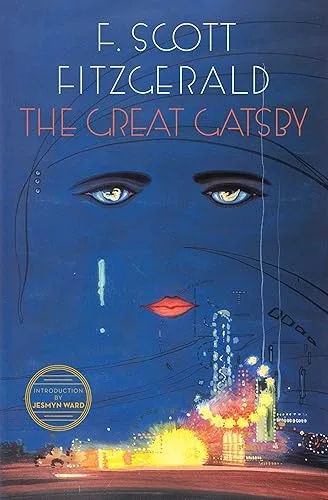
During the summer of 1922 in Long Island, Nick Carraway observes the extravagant life of Jay Gatsby, a man who hosts massive parties to lure back his former lover, Daisy Buchanan. Gatsby has amassed a fortune through bootlegging and shadow deals to reinvent himself and escape his impoverished roots. The narrative follows Gatsby’s desperate attempts to repeat the past, which eventually lead to a fatal hit-and-run accident and a series of violent misunderstandings. Fitzgerald documents the strict social hierarchy that separates old money from the nouveau riche.
Readers interested in the history of the Jazz Age or the social mechanics of class find this book useful for its specific depiction of 1920s American materialism. It serves as a study of how extreme wealth can insulate people from the consequences of their actions. The reader walks away with a clear understanding of the limitations of social mobility and the destructive nature of nostalgia when it is used to anchor an identity.
Insights from The Great Gatsby
“Gatsby bought that house so that Daisy would be just across the bay.”
Gatsby spent years building a mansion just to be near Daisy. He thought a bigger house could bridge the gap between their different worlds.
“It takes two to make an accident.”
Jordan Baker admits she likes Nick because he is careful. She knows she is a bad driver and needs someone else to watch the road.
“It makes me sad because I've never seen such—such beautiful shirts before.”
Daisy cried over Gatsby’s expensive shirts because she realized what she missed. She chose safety and old money over him every single time.
“They were careless people, Tom and Daisy.”
Tom and Daisy are people who break things and just walk away. They let others clean up the mess they leave behind.
- Published
- 1925
- Publisher
- Penguin
- ISBN
- 9780141194059
- Language
- EN