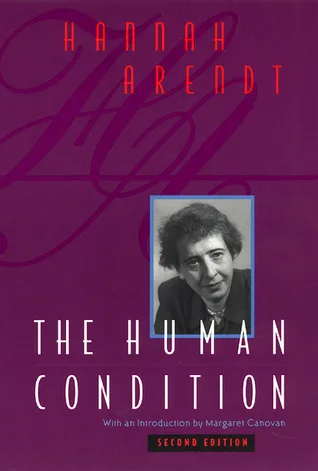
Hannah Arendt distinguishes between three fundamental tiers of human activity: labor, work, and action. Labor encompasses the biological processes of survival and consumption, while work involves the fabrication of durable objects that constitute a human-built world. Action, the highest form of the vita activa, represents the unique words and deeds performed in the public realm to initiate new beginnings. Arendt argues that modern society has elevated labor above all else, causing the erosion of the political sphere and the loss of individual distinctness within a mass, automated culture.
Political theorists and students of history read this text to understand the historical shift from the ancient Greek polis to the contemporary bureaucratic state. Readers gain a framework for identifying how economic necessity and technological growth can overwhelm private life and stifle civic participation. The text provides a vocabulary for analyzing why modern humans often feel alienated from their own political power. By the end, the reader understands the necessity of preserving a public space where collective speech and action remain possible despite the pressures of social conformity.
- Published
- 1958
- Language
- EN
More by Hannah Arendt
See all →

Readers also enjoyed