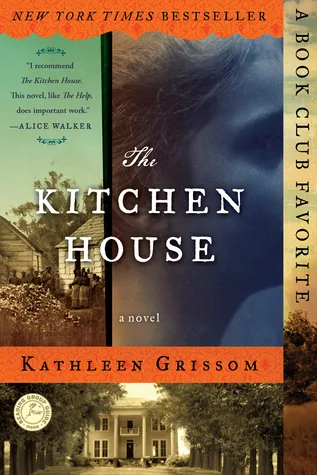
Lavinia, a seven-year-old Irish orphan, arrives at a Virginia tobacco plantation in 1791 as an indentured servant. Placed in the kitchen house, she is raised by the enslaved community, specifically Belle, the master’s illegitimate daughter. As Lavinia grows, her skin color facilitates her transition into the Big House, where she becomes part of the master’s family through marriage. This shift forces her to choose between the people who raised her and the white society she now inhabits, eventually leading to a violent collision of loyalties and a tragic reckoning with the plantation's hierarchy.
Readers of multi-generational historical fiction find value in this narrative’s depiction of the complex social structures within the antebellum South. It appeals to those interested in the intersections of racial identity, indentured servitude, and domestic history. The reader gains a visceral understanding of how systemic brutality and legal ownership fractured families across racial lines. The story leaves the audience with a stark perspective on the moral compromises required to survive within a slave-holding economy and the lasting consequences of those choices.
Clear-cut; an easy read.
Best for readers like The Story Seeker. Which reader are you?
Insights from The Kitchen House
“I was a bridge between two worlds, but the bridge was crumbling.”
Lavinia grew up stuck between two worlds. She never quite fit with the big house or the kitchen staff.
“A mother’s heart is the same, no matter the color of her skin.”
Belle gave up her own happiness to protect a family that couldn't even claim her. Her loyalty was a heavy burden.
“We do what we must to survive, child.”
Mama Mae was the real heart of that farm. She kept everyone fed and sane while the world around them burned.
Small acts of kindness felt so dangerous in that place. Sharing a meal or a secret could cost someone everything.
- Published
- 2010
- Publisher
- Touchstone
- ISBN
- 9781439160121
- Language
- EN