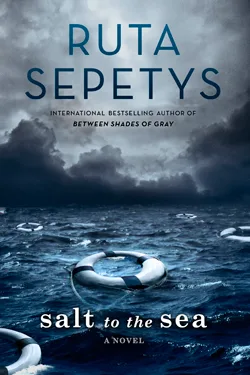
In early 1945, the Soviet army advances through East Prussia, forcing thousands of refugees toward the Baltic coast. The narrative follows four teenagers—Joana, a Lithuanian nurse; Florian, a Prussian restorative artist; Emilia, a pregnant Polish girl; and Alfred, a fanatical Nazi sailor—as they converge on the Wilhelm Gustloff. This maritime evacuation ship, intended to carry thousands to safety, becomes the site of the deadliest naval disaster in history after being struck by Soviet torpedoes. The story documents their secrets, the physical toll of the winter march, and their final struggle to survive the sinking vessel.
Historical fiction enthusiasts and students of World War II read this book to learn about the overlooked tragedy of the Wilhelm Gustloff. It provides a detailed account of the refugee experience and the collapse of the Third Reich from the perspective of displaced youth. Readers finish the book with a concrete understanding of how the war disrupted individual lives and the specific logistical horrors of the Baltic evacuations. It maps the intersection of ethnic tensions and personal trauma during the final months of the European conflict.
Clear-cut; an easy read.
Best for readers like The Story Seeker. Which reader are you?
Insights from Salt to the Sea
“Guilt is a hunter.”
Joana carries so much guilt for leaving her family behind. It makes her feel like a criminal even when she is helping others.
“Fate is a hunter.”
Florian hides a stolen masterpiece in his pack while people are dying for bread. It shows how art can feel more permanent than human life during war.
“Shame is a hunter.”
Emilia creates a beautiful story about her past to survive the trauma of what happened in the cellar. Sometimes a lie is the only way to keep your soul intact.
“Fear is a hunter.”
Alfred spends his time writing imaginary letters to a girl who doesn't even like him. He uses grand words to hide the fact that he is a coward.
- Published
- 2016
- Publisher
- Philomel Books
- ISBN
- 9780142423622
- Language
- EN