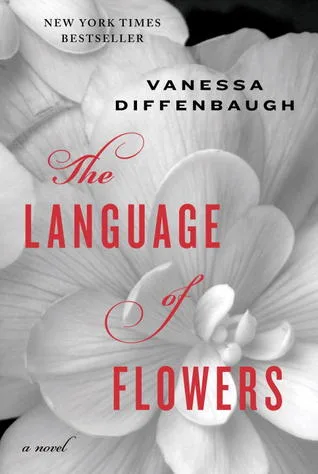
Victoria Jones ages out of the California foster care system with no resources and a history of failed placements. Having spent her childhood moving between group homes and temporary guardians, she lacks the social vocabulary to form human bonds and chooses to live in a public park. She communicates her internal state through the Victorian tradition of floriography, assigning specific meanings like grief, hope, or distrust to different blossoms. After securing work in a flower shop, Victoria uses these floral arrangements to mediate the emotions of her clients while confronting her own memories of a past adoption attempt.
This book is for readers interested in the intersection of childhood trauma and adult attachment styles. People read this story to understand how early instability affects the ability to trust and how specialized skills can provide a pathway toward financial and social independence. The reader gains insight into the foster care system’s transition process and learns the historical definitions of dozens of flowers. By the final page, one understands how non-verbal communication serves as a bridge for individuals who struggle with traditional vulnerability.
Inward-looking; an easy read.
Best for readers like The Empathetic Explorer. Which reader are you?
Insights from The Language of Flowers
“The language of flowers was my only language.”
Redemption isn't a single moment. It happens slowly through small gestures and specific blossoms.
Forgiveness for yourself is much harder than forgiving someone else. Victoria keeps running away from people who want to stay.
“A bouquet was never just a bouquet.”
Flowers aren't just pretty decorations here. They are weapons or apologies or pleas for help.
“I chose the flowers carefully.”
The ending doesn't erase the trauma. It just shows that growth is possible even in rocky soil.
- Published
- 2011
- Publisher
- Ballantine Books
- ISBN
- 9780345525543
- Language
- EN