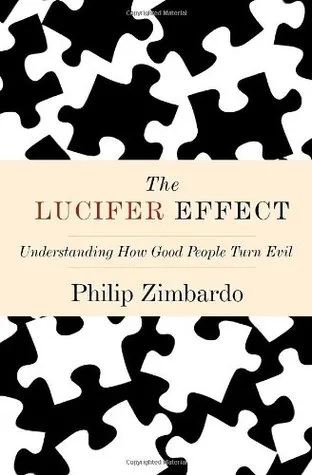
The Lucifer Effect: Understanding How Good People Turn Evil
Philip Zimbardo provides a detailed account of the 1971 Stanford Prison Experiment, examining how systemic forces and situational variables overwhelm individual morality. He describes how ordinary college students, when assigned roles as guards or prisoners in a simulated basement jail, quickly descended into sadistic abuse and pathological submission. Zimbardo connects these findings to the 2004 prisoner abuse at Abu Ghraib, arguing that evil results from a "perfect storm" of anonymity, lack of accountability, and dehumanization. He identifies specific psychological mechanisms, such as moral disengagement and the banality of heroism, to explain how social environments dictate behavior.
This book serves psychologists, legal professionals, and social scientists seeking to understand the root causes of cruelty and systemic failures. Readers learn to identify the environmental triggers that erode personal character and gain a framework for resisting unethical authority. By analyzing the transition from bystander to perpetrator, the text provides a toolkit for maintaining ethical integrity in high-pressure social hierarchies. It shifts the focus from individual "bad apples" to the "bad barrels" of institutional design.
Deep; a moderate read.
Best for readers like The Deep Diver. Which reader are you?
- Published
- 2007
- Language
- EN