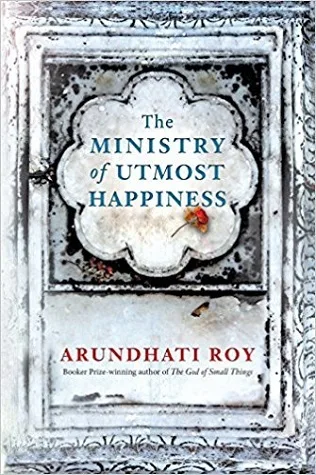
The narrative centers on Anjum, a hijra who establishes a guesthouse called the Jannat Guest House within a Delhi cemetery, providing a sanctuary for society’s outcasts. Her life intersects with Tilo, an architect involved in a complex web of relationships with three men: Musa, a Kashmiri militant; Naga, a prominent journalist; and Biplab, an intelligence officer. The plot moves from the crowded neighborhoods of Old Delhi to the insurgent valleys of Kashmir, documenting the Maoist rebellion, the 2002 Gujarat riots, and the bureaucratic violence of the Indian state. It tracks how personal grief and political upheaval shape the survival of those living on the margins of the subcontinent.
Readers interested in the intersection of modern Indian history and post-colonial politics will find a granular depiction of systemic conflict. Those who value intricate, non-linear storytelling gain an understanding of how national identity and religious nationalism impact marginalized bodies. The book provides an unsentimental look at the logistics of resistance and the reality of living through civil unrest. By the end, the reader possesses a specific map of how individual lives persist despite state-sanctioned erasure and social exclusion.
- Published
- 2017
- Language
- EN