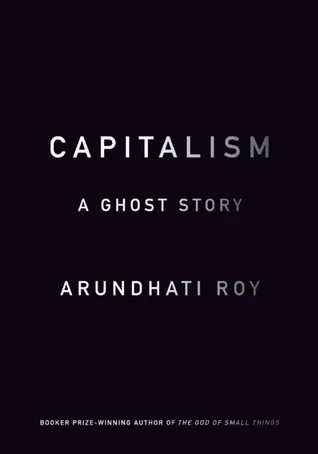
Arundhati Roy examines the concentration of wealth in India by tracing how a few massive industrial corporations control the country’s natural resources, media, and political processes. She documents the specific ways global capital influences NGOs and charitable foundations to manage dissent and neutralize grassroots resistance. The text details the displacement of indigenous populations in the mineral-rich forests of central India, the high rate of farmer suicides linked to debt, and the heavy militarization required to protect corporate investment projects from local opposition.
This book serves researchers and activists investigating the intersection of corporate finance and state power. Readers looking for an analysis of how neoliberal policies affect developing economies will find a blunt assessment of systemic inequality. The work provides a perspective on how private interests shape public policy through philanthropic funding and lobbying. Those who finish the text gain a factual framework for understanding the links between stock market growth and the erosion of democratic institutions in the global south.
- Published
- 2014
- Language
- EN