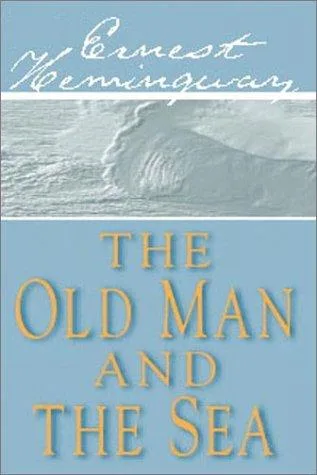
Set in a small Cuban fishing village in 1952, the story follows Santiago, an aging fisherman who has gone eighty-four days without a catch. To end his streak of bad luck, he rows his skiff far into the Gulf Stream, where he hooks a massive marlin. For three days, Santiago endures physical exhaustion, lacerated hands, and sleep deprivation as he pits his strength against the fish. He eventually kills the marlin, but must defend his prize against scavenging sharks during the long voyage back to shore.
The book is written for those interested in the technical aspects of big-game fishing and the psychological dynamics of isolation. Readers find a detailed study of how a specialized professional maintains dignity through technique and discipline under extreme duress. By following Santiago’s internal monologue, the reader learns the mechanics of deep-sea navigation and the biological realities of the ocean. One walks away with a clear understanding of the difference between professional victory and physical survival.
Insights from The Old Man and the Sea
“I love you and respect you very much. But I will kill you dead before this day ends.”
The fish is his brother but he still has to kill it. That is the messiest part of being alive. You destroy the things you actually respect.
“Now is no time to think of what you do not have. Think of what you can do with what there is.”
Santiago talks to himself in the middle of the ocean. Most people call that crazy. I call it the only way to stay sane when you are dying.
“A man can be destroyed but not defeated.”
Winning is bringing back a skeleton. The village sees a failure. Santiago knows he beat the ocean.
“He no longer dreamed of storms, nor of women, nor of great occurrences.”
He dreams about lions on a beach while he is starving. Your brain hides the best memories for when things are at their worst.
- Published
- 1952
- Language
- EN
Quotes by Ernest Hemingway
More →Courage is grace under pressure.
There is nothing noble in being superior to your fellow man; true nobility is being superior to your former self.
The world breaks everyone, and afterward, many are strong at the broken places.
A Farewell to Arms

![उस रात के बाद [Us Raat Ke Baad]](https://kwbjoqloympvbpzbrfja.supabase.co/storage/v1/object/public/scan-images/catalog/53673b08-18d0-4f03-8e5f-04a98899e36f-full.webp)