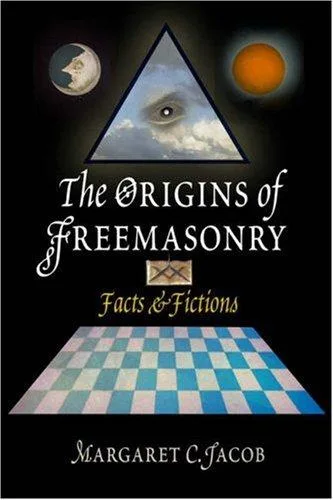
In this historical study, Margaret Jacob traces the evolution of Freemasonry from its roots in Scottish stonemason guilds to its expansion across eighteenth-century Europe. She argues that lodge culture provided a foundational space for the development of modern civil society. By practicing constitutional governance, holding elections, and debating ideas within a private setting, members internalized democratic habits years before they became public political standards. Jacob connects these voluntary associations directly to the spread of Enlightenment values, specifically religious toleration and the belief in merit over inherited social rank.
Historians and students of political theory read this book to understand the social origins of secular democracy. Readers gain a clear view of how private clubs functioned as testing grounds for the rule of law and legislative procedurals. By examining archival records and lodge minutes, researchers find evidence of how local organizations bridged the gap between old-world aristocratic structures and the modern professional class. The text provides a historical framework for how social networking and organized ritual contributed to the political shifts of the Western world.
Deep and outward-looking; a demanding read.
Best for readers like The Systems Thinker. Which reader are you?
- Published
- 2005
- Language
- EN
Books like The Origins of Freemasonry
See all 12 →