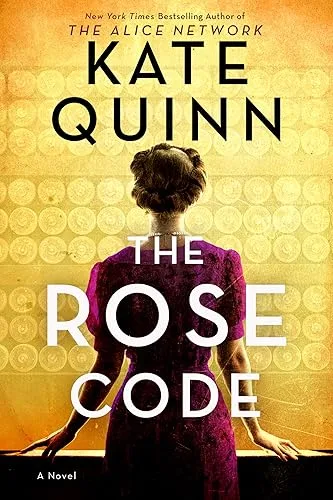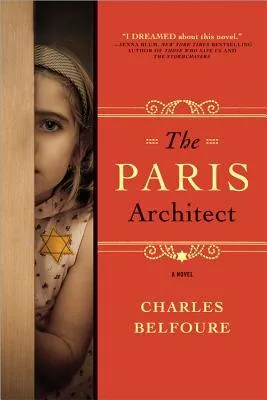
In Nazi-occupied Paris, Lucien Bernard is an architect who maintains a public facade of neutrality to secure commissions from German officers. Financial desperation and a secret deal lead him to design intricate, hidden spaces within private apartments to conceal Jewish citizens. The spaces are integrated into the architecture through sliding panels, hollow walls, and furniture. As the Gestapo intensifies searches and his friends are arrested, Lucien moves from a detached professional interest in these spatial puzzles to a direct confrontation with the physical risks of his craftsmanship. He must engineer increasingly complex voids to stay ahead of an obsessed German colonel while managing his collaboration with the resistance.
Historical fiction enthusiasts read this novel for its focus on the intersection of structural design and survival under occupation. It appeals to those interested in the logistical challenges of domestic espionage and the morality of self-preservation versus altruism. Readers walk away with a specific understanding of how urban apartments were physically modified to evade detection during World War II. The narrative provides a technical perspective on how aesthetics and engineering served as tools for protection in a city under constant surveillance.
Practical, clear-cut and escapist; an easy read.
Best for readers like The Curious Generalist. Which reader are you?
- Published
- 2013
- Language
- EN